Rhythm You Can Hear and Feel
Tap classes for children ages 2 to 5 in Kalamazoo
Your child hears the sharp click of their shoes against the floor and looks down, surprised by the sound their own feet just made. Tap classes at Little Movers Dance Classes in Kalamazoo introduce children ages 2 to 5 to basic tap techniques through rhythm and sound exploration. These classes focus on timing, coordination, and listening skills in a playful environment where children learn how their movements create audible patterns they can hear and repeat.
Each session uses music and simple choreography to teach children how to tap their toes, heels, and the sides of their feet in different combinations. In Kalamazoo, instruction adapts to children who may feel hesitant or need extra encouragement, so if your child wants to stomp instead of tap or march instead of shuffle, that exploration is welcomed as part of the learning process. The goal is to help children connect what they hear with what they do, building musicality and body awareness one step at a time.
If your child loves making noise or moving to music, get in touch with Little Movers Dance Classes in Kalamazoo to learn about tap class schedules and availability.
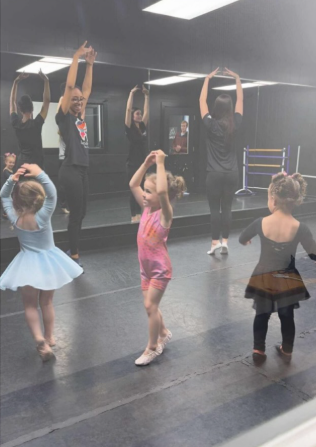
Your child starts each class in Kalamazoo by practicing single sounds, such as a toe tap or a heel drop, before combining them into short sequences. The instructor uses counting, clapping, and verbal cues to help children understand when to move and when to pause. Your child might stomp to a drumbeat, shuffle across the floor to a familiar song, or practice alternating feet while holding onto a barre for balance.
After a few weeks, you will notice your child can match their movements to a beat more consistently and may even begin creating their own rhythms at home. They start to understand that their feet are instruments, and that changing how they strike the floor changes the sound they produce.
Classes are interactive and designed to keep children engaged without pressure, so if a child loses focus, the instructor might switch to a game or a call-and-response activity. Tap shoes are required for the sound they produce, and the instructor will let you know where to find affordable beginner options if you do not already have a pair. These classes work best when children are allowed to experiment and make mistakes without fear of correction.
What parents want to know before starting
Parents often wonder whether their child is old enough to understand rhythm or coordinated enough to keep up with a group, but tap classes for this age group are built around exploration rather than precision.
If your child is ready to explore rhythm and sound through movement, contact Little Movers Dance Classes in Kalamazoo to find out when the next tap session begins and how to register your child.